
Unbound Symphony Launches on International Women’s Day
Seattle, Wash., March 8, 2026 – A new professional orchestra dedicated to expanding opportunities for women musicians is launching in Seattle today. Unbound Symphony, founded by performers, composers, and arts leaders from across the region seeks to broaden artistic visibility for women in the orchestral workforce while presenting compelling repertoire for contemporary audiences.
The ensemble will introduce itself to the public this summer with a Women’s Orchestra Festival, taking place July 8-10, 2026. The festival will feature works by women composers, including a Double Bass Concerto by award-winning Seattle-based composer Dr. Sarah Bassingthwaighte from her recent album Orchestrating the Wild. Bassingthwaighte, who has composed under a pseudonym, expressed enthusiasm about the collaboration.
“To work with an orchestra that is intentionally centered on this repertoire is rare,” she said. “It shifts the artistic dynamic and allows the music to exist without apology.”
For violinist and concertmaster Denise Dillenbeck, the ensemble is built on both artistic ambition and professional standards.
“This is not symbolic,” she said. “Our musicians are established professionals who care deeply about expanding what audiences experience. We are committed to artistic rigor and to broadening the canon at the same time.”
The orchestra’s founders say the project grew from conversations among musicians who recognized that opportunities for women performers and composers remain uneven across the field.
“Cultural institutions shape whose stories are told, and whose are not,” said founding board member and arts journalist Katie Berglof. “That applies to composers and performers alike. Unbound Symphony is part of a growing movement to align arts organizations with the values of equity and cultural access.”
Equity in programming is a central focus for the ensemble’s artistic vision. Although orchestras occasionally increase programming by women composers, those works often disappear again in subsequent seasons.
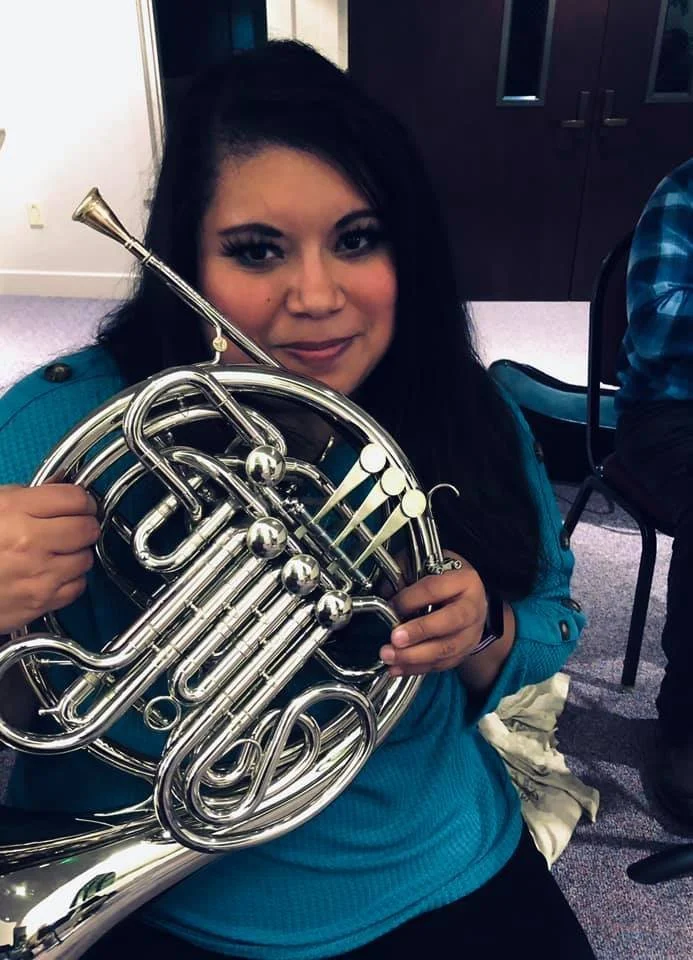
Research Data on Sexual Harassment and Misconduct in the Classical Music Industry
– by Katie Berglof
Sexual harassment and misconduct remain significant concerns across the classical music profession, affecting students, freelancers, orchestral musicians, and faculty in conservatories, universities, festivals, and professional institutions. Researchers frequently point to several structural characteristics of the field that contribute to the persistence and underreporting of misconduct.
One challenge in addressing the issue is the limited amount of comprehensive research focused specifically on the United States orchestral and classical music sector. While surveys and policy studies exist, much of the more extensive academic work examining harassment and power dynamics in classical music has been conducted in other countries, particularly in the United Kingdom and parts of Europe such as Finland. These studies provide valuable insight into patterns of misconduct within music institutions, but they also highlight a broader gap in systematic research within the American orchestral field.
Classical music education and employment often rely on highly hierarchical mentorship systems, where students and emerging artists depend heavily on teachers, conductors, and senior musicians for recommendations, auditions, and career advancement. The profession also places considerable emphasis on prestige, reputation, and institutional visibility, which can create incentives for organizations to protect prominent figures whose status helps attract donors, audiences, and financial support.
In addition, the culture of classical music has historically encouraged forms of hero worship around celebrated conductors, soloists, and pedagogues, concentrating authority in individuals whose influence over hiring, casting, and professional advancement can be substantial. Combined with the freelance nature of much orchestral work, informal hiring networks, and the competitive reputation driven structure of the field, these dynamics can make reporting misconduct particularly risky for musicians who depend on professional relationships and institutional endorsement to sustain their careers.
Another factor frequently identified in discussions of misconduct within the field is the pressure placed on musicians, particularly women and early career artists, to remain silent. Musicians who raise concerns about harassment or discrimination may fear professional retaliation, loss of future work, or reputational damage in a small and interconnected industry. As a result, many incidents go unreported, and conversations about misconduct have historically been difficult for institutions to confront openly.
Despite these barriers, a growing number of surveys, academic studies, and policy reports have begun to document patterns of harassment, discrimination, and underreporting across the music profession, offering an important foundation for ongoing efforts to improve safety, accountability, and transparency within the classical music field.
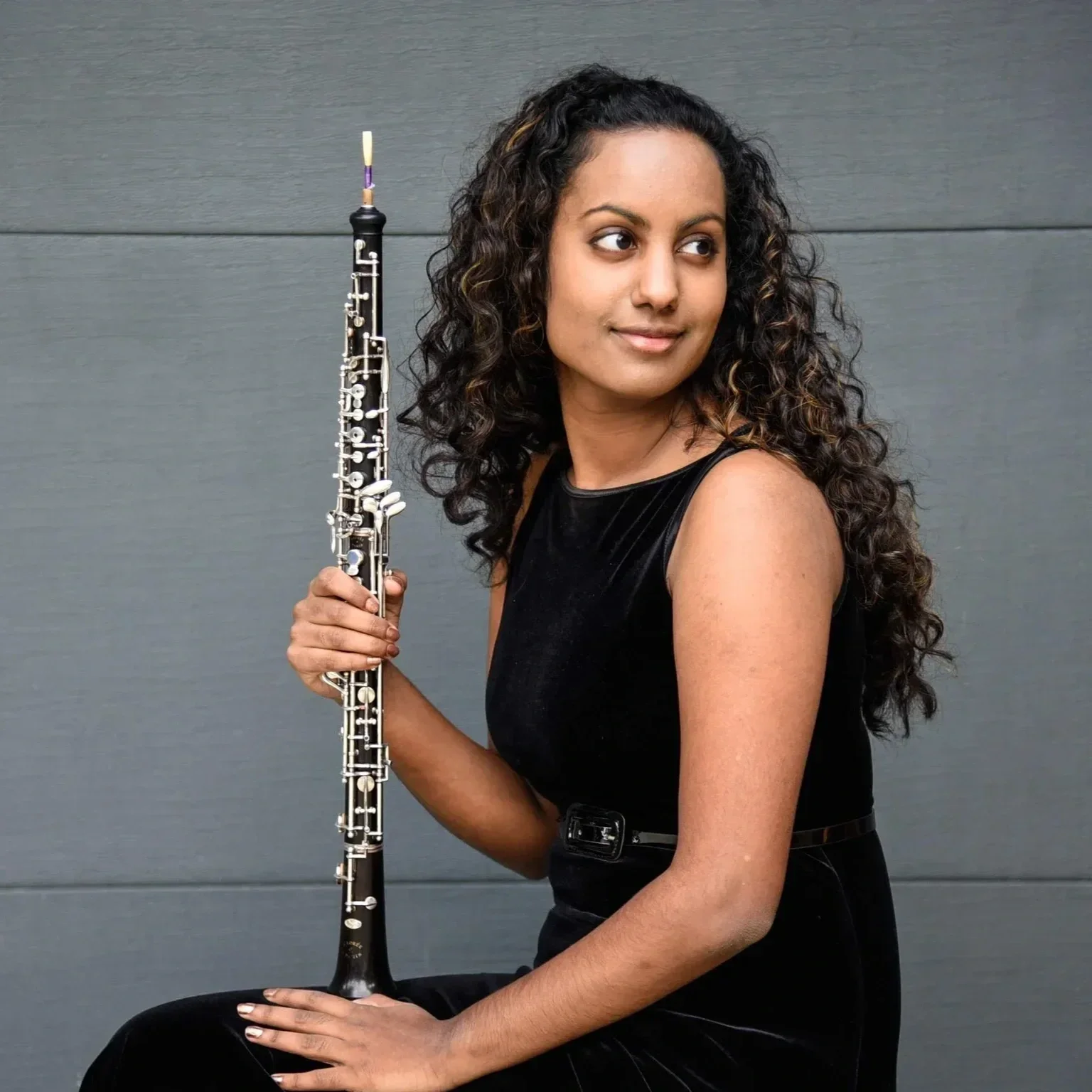
Welcome Letter from Board President
-Bhavani Kotha
My name is Bhavani Kotha, oboist and founding Board President of Unbound Symphony. This symphony orchestra was created for many reasons. I’m most excited about building a platform for women’s creative works in the symphonic genre to be showcased.
Can you name more than a handful of women composers and can you recognize their symphonies themes? Women composers have existed all along! There are records kept and music scores that have been preserved dating back hundreds of years. I look back at my own history as a performer, and there have only been two or three times I can remember there being a symphony composed by a woman on the program.
For our first concert, we are presenting music composed by Dr. Sarah Bassingthwaighte, featured on her recent album, “Orchestrating the Wild.” Immersing ourselves with Sarah’s music is more meaningful as a performer and having the chance to work with her as part of the festival is a wonderful opportunity to all the musicians. Sarah is a trailblazing composer and flutist in classical music community and is based in Seattle. She travels all around the world and writes symphonies for orchestras that commission her work. For a long time she used a pseudonym. Many people might be happy to perform historical men’s symphonies for the 100th time; but at Unbound Symphony, how exciting is it to have the chance to play Sarah’s Double Bass concerto this July, most of us for the first time? We can’t wait.
The idea that a women’s orchestra will now exist in our community, as a place we perform and collaborate with women and bring these creative projects to life, is energizing. I only wish we created this years ago.
Women uplifting women and sharing our art with the community speaks to us as performers. We can break free of “traditions” and explore stories of trailblazing women in the community. Music is so versatile, so having the opportunity to partner with other art forms in meaningful collaborations and storytelling will be a big part of our journey. We are excited to explore this uncharted territory, as we launch Unbound Symphony. We also hope to inspire other orchestras and groups to produce more art experiences celebrating women.