What Makes the Unbound Symphony Special?
On March 8, 2026, Unbound Symphony launched with remarks from its founding members in honor of International Women’s Day. During the event, founding board member Katie Berglof shared a speech on what makes Unbound Symphony distinct and why this work matters. Her words deeply moved the room, with many brought to tears. What follows is the written version of her address.
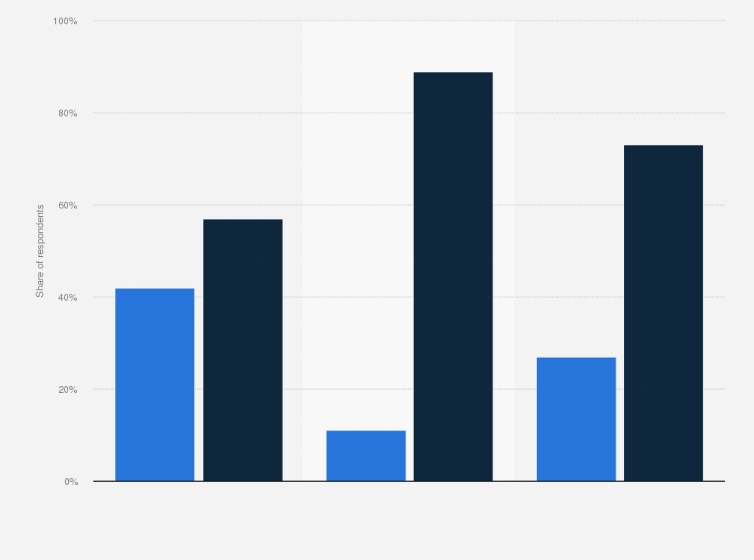
Research Data on Sexual Harassment and Misconduct in the Classical Music Industry
Sexual harassment and misconduct remain significant concerns across the classical music profession, affecting students, freelancers, orchestral musicians, and faculty in conservatories, universities, festivals, and professional institutions. Researchers frequently point to several structural characteristics of the field that contribute to the persistence and underreporting of misconduct.
One challenge in addressing the issue is the limited amount of comprehensive research focused specifically on the United States orchestral and classical music sector. While surveys and policy studies exist, much of the more extensive academic work examining harassment and power dynamics in classical music has been conducted in other countries, particularly in the United Kingdom and parts of Europe such as Finland. These studies provide valuable insight into patterns of misconduct within music institutions, but they also highlight a broader gap in systematic research within the American orchestral field.
Classical music education and employment often rely on highly hierarchical mentorship systems, where students and emerging artists depend heavily on teachers, conductors, and senior musicians for recommendations, auditions, and career advancement. The profession also places considerable emphasis on prestige, reputation, and institutional visibility, which can create incentives for organizations to protect prominent figures whose status helps attract donors, audiences, and financial support.
In addition, the culture of classical music has historically encouraged forms of hero worship around celebrated conductors, soloists, and pedagogues, concentrating authority in individuals whose influence over hiring, casting, and professional advancement can be substantial. Combined with the freelance nature of much orchestral work, informal hiring networks, and the competitive reputation driven structure of the field, these dynamics can make reporting misconduct particularly risky for musicians who depend on professional relationships and institutional endorsement to sustain their careers.
Another factor frequently identified in discussions of misconduct within the field is the pressure placed on musicians, particularly women and early career artists, to remain silent. Musicians who raise concerns about harassment or discrimination may fear professional retaliation, loss of future work, or reputational damage in a small and interconnected industry. As a result, many incidents go unreported, and conversations about misconduct have historically been difficult for institutions to confront openly.
Despite these barriers, a growing number of surveys, academic studies, and policy reports have begun to document patterns of harassment, discrimination, and underreporting across the music profession, offering an important foundation for ongoing efforts to improve safety, accountability, and transparency within the classical music field.